

Practical Battery Guide
Car Battery Charging Guide
Learn when a car battery may be recharged, how to charge it safely and when repeated battery problems indicate that testing or replacement may be the better option.
- Charging-versus-replacement guidance
- Safe charger and connection basics
- Battery testing and troubleshooting information
CALL ANY AVAILABLE NUMBER
Practical Battery Guide for Drivers
Send your vehicle make, model, model year, engine or variant, visible battery code, battery photo and current location.
BRAND-NEW
BATTERIES
FREE
INSTALLATION*
WARRANTY
INCLUDED
TRADE-IN
ACCEPTED
Understanding Battery Charging
Can Your Car Battery Be Recharged?
Many automotive batteries can be recharged when they have discharged because the vehicle was unused, lights were left on or another temporary electrical load drained the battery.
However, charging does not automatically restore a damaged, heavily deteriorated or internally failed battery. A battery may accept a charge but still be unable to provide dependable starting power.
Before deciding to recharge the battery, consider:
- Why the battery lost its charge
- Whether the battery shows physical damage
- How often the vehicle has needed a jump-start
- Whether the charging system is working correctly
- Whether the battery can hold a charge after charging
- Whether the vehicle continues to show starting problems
A battery test can help determine whether charging, monitoring or replacement is the more appropriate next step.
Common Causes of Discharge
Why Did the Car Battery Go Flat?
Understanding why the battery discharged is important. Charging the battery without addressing the cause may only provide temporary relief.
Lights or Accessories Left On
Headlights, interior lights, audio equipment or other accessories can drain the battery while the engine is off.
Vehicle Not Used Regularly
A vehicle parked for an extended period may gradually lose battery charge, especially when electronic systems continue drawing small amounts of power.
Repeated Short Trips
Frequent short drives may not allow the vehicle’s charging system enough time to restore the energy used during starting.
Weak or Aging Battery
An older or deteriorating battery may discharge more quickly and may no longer hold a full charge reliably.
Charging-System Problem
A weak alternator, belt issue, wiring concern or charging-system fault may prevent the battery from being properly recharged while driving.
Parasitic Electrical Drain
An electrical component that continues drawing excessive power while the vehicle is off may repeatedly discharge the battery.
Loose or Corroded Connections
Poor terminal or cable connections may interfere with charging and starting performance.
Charging Versus Replacement
Should You Charge or Replace the Battery?
Charging may be reasonable when the battery was discharged by a temporary event and remains physically sound. eplacement may be more appropriate when the battery is damaged, repeatedly fails or cannot retain enough charge for dependable starting.
Charging May Be Worth Trying When:
- The battery discharged after lights or accessories were left on
- The vehicle was unused for an extended period
- The battery has not been repeatedly failing
- The case is not swollen, cracked or leaking
- The correct charger is available
- Testing does not indicate clear battery failure
Do Not Charge a Visibly Damaged Battery
Do not attempt to charge a battery that appears unsafe.
Avoid charging when the battery has:
- A swollen or distorted case
- Visible cracks
- Electrolyte leakage
- Burn marks or heat damage
- Loose or damaged terminals
- Signs of severe impact damage
- An unusual odor during inspection
- Been frozen or may still be frozen
Keep damaged batteries away from flames, sparks, cigarettes and unnecessary handling.
Replacement May Be More Appropriate When:
- The battery repeatedly needs jump-starting
- The vehicle continues to crank slowly after charging
- The battery quickly loses charge again
- The case is swollen, cracked or leaking
- The battery cannot provide reliable starting power
- Testing indicates weak or failed performance
- The battery has reached the end of its useful service life
Use a Charger Designed for Your Battery
Not every charger is suitable for every automotive battery.
Before charging, check:
- Battery voltage
- Battery chemistry
- Battery technology
- Charger output and operating mode
- Vehicle manufacturer instructions
- Charger manufacturer instructions
Battery Charging
General Steps for Charging a Car Battery
Step 1 — Inspect the Battery
Check for swelling, cracks, leakage, damaged terminals or other visible safety concerns.
Step 2 — Switch Off the Vehicle
Turn off the engine, ignition and electrical accessories.
Step 3 — Confirm Charger Compatibility
Check that the charger is suitable for the battery voltage and technology.
Step 4 — Connect the Charger Correctly
Follow the charger manufacturer’s instructions for positive and negative lead placement.
Step 5 — Select the Correct Mode
Choose the appropriate charging mode when the charger requires manual selection.
Step 6 — Allow the Charging Cycle to Complete
Do not interrupt, modify or leave the setup in an unsafe condition.
Step 7 — Disconnect Safely
Switch off or unplug the charger and follow the manufacturer’s specified disconnection sequence.
Step 8 — Check Vehicle Starting
After charging and reconnection, observe whether the vehicle starts normally and whether the problem returns.
Car Battery Charging Mistakes to Avoid
Using the Wrong Charger Mode
The charger setting must match the battery’s voltage and technology.
Reversing Charger Connections
Incorrect polarity can damage equipment and create a serious safety hazard.
Charging a Damaged Battery
A swollen, cracked or leaking battery should not be charged.
Charging Near Flames or Sparks
Automotive batteries should be kept away from ignition sources.
Ignoring Ventilation
Charge only in a suitable area with adequate ventilation.
Assuming Charging Solves Every No-Start Problem
The vehicle may have a starter, alternator, wiring, terminal or electrical-drain issue.
Using Damaged Charger Leads
Do not use charging cables with exposed wires, loose clamps or damaged insulation.
Using Damaged Charger Leads
Do not use charging cables with exposed wires, loose clamps or damaged insulation.
Repeatedly Charging a Failing Battery
A battery that cannot retain a charge may require replacement rather than repeated charging.
BATTERY DELIVERY STRAIGHT TO YOUR LOCATION
Call JET Battery Trading to check current battery availability, pricing, and mobile service coverage.
BUSINESS BATTERY SERVICES
Common Car Battery Sizes Available
NS40 Battery
NS40 is a commonly requested automotive battery size group for selected passenger vehicles. Actual compatibility depends on the specific vehicle and battery configuration.
NS60 Battery
NS60 batteries are available for selected vehicle applications requiring a compatible case size, terminal layout and mounting configuration.
1SMF Battery
1SMF is available for compatible automotive applications. Vehicle details and the existing battery setup must be checked before ordering.
2SMF Battery
2SMF batteries are used in selected vehicles requiring a larger compatible battery format. Current stock and fitment must be verified.
3SMF Battery
3SMF batteries may be available for supported vehicles with matching physical and starting requirements.
DIN Batteries
Selected DIN battery sizes are available for compatible European, Asian and other vehicle applications. Exact DIN size and fitment must be confirmed.
BATTERY DELIVERY STRAIGHT TO YOUR LOCATION
Call JET Battery Trading to check current battery availability, pricing, and mobile service coverage.
Car Battery Brands We Carry
Multiple brands for Different vehicle
Brand and product availability varies by battery size, vehicle application, delivery location and current inventory.

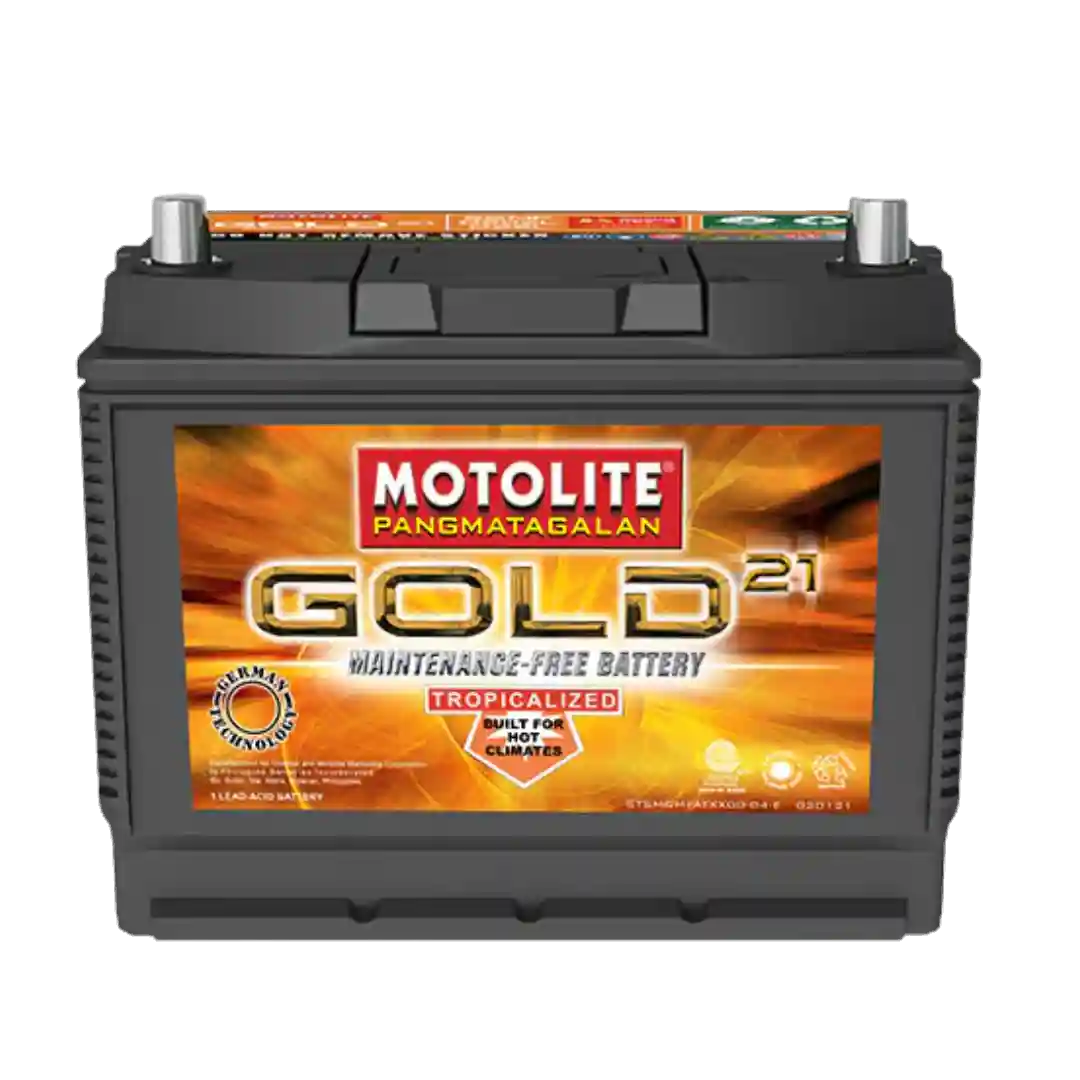
MOTOLITE

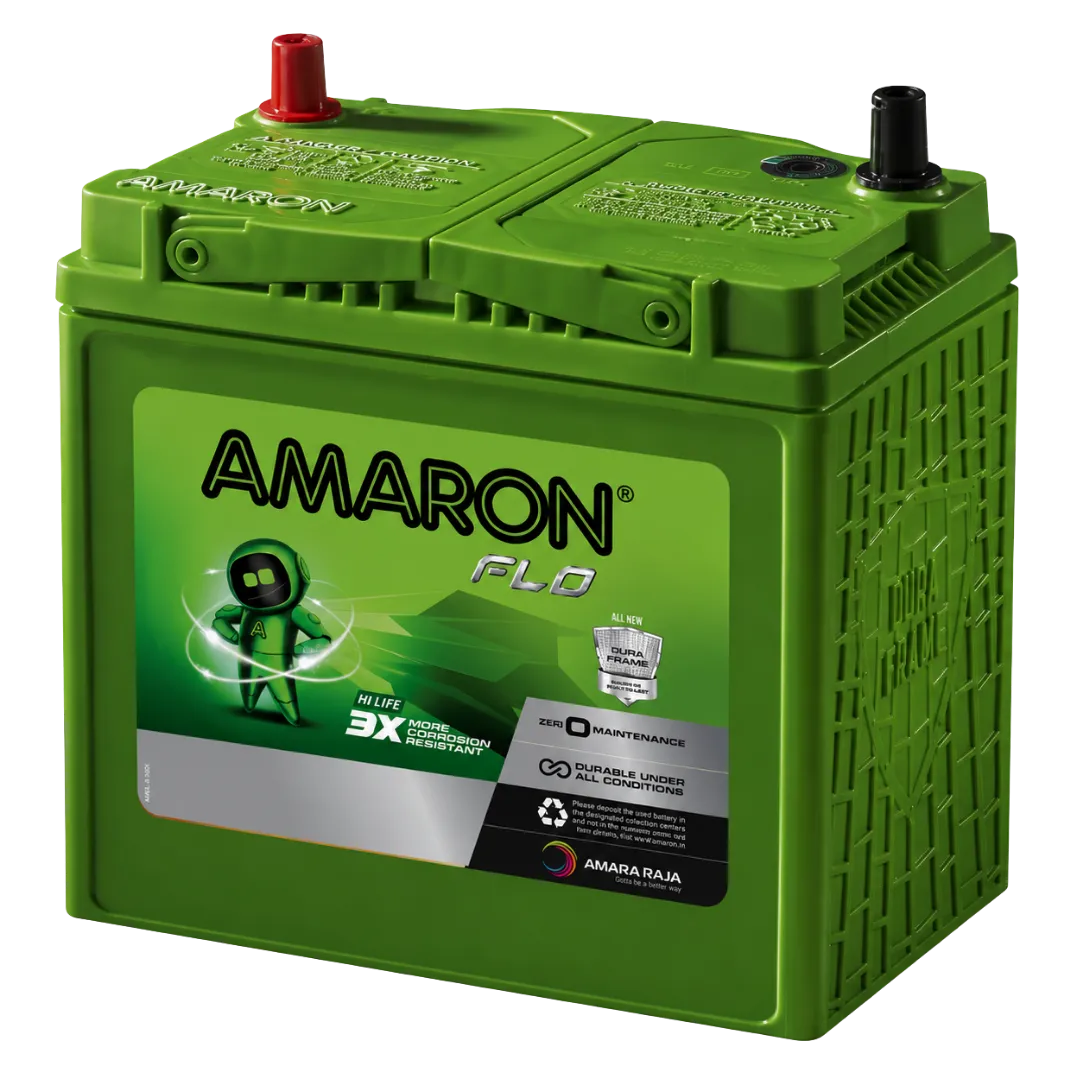
AMARON

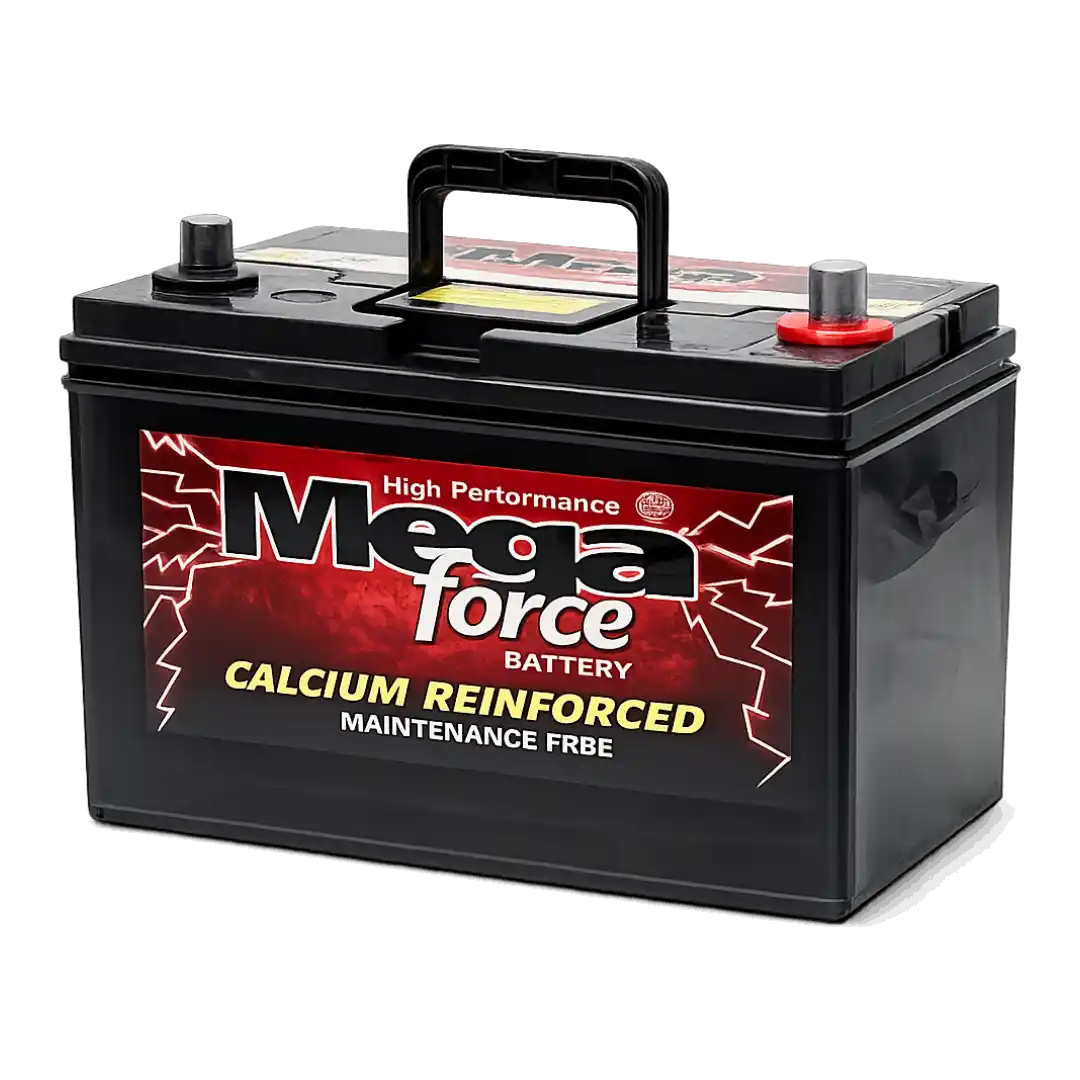
MEGAFORCE
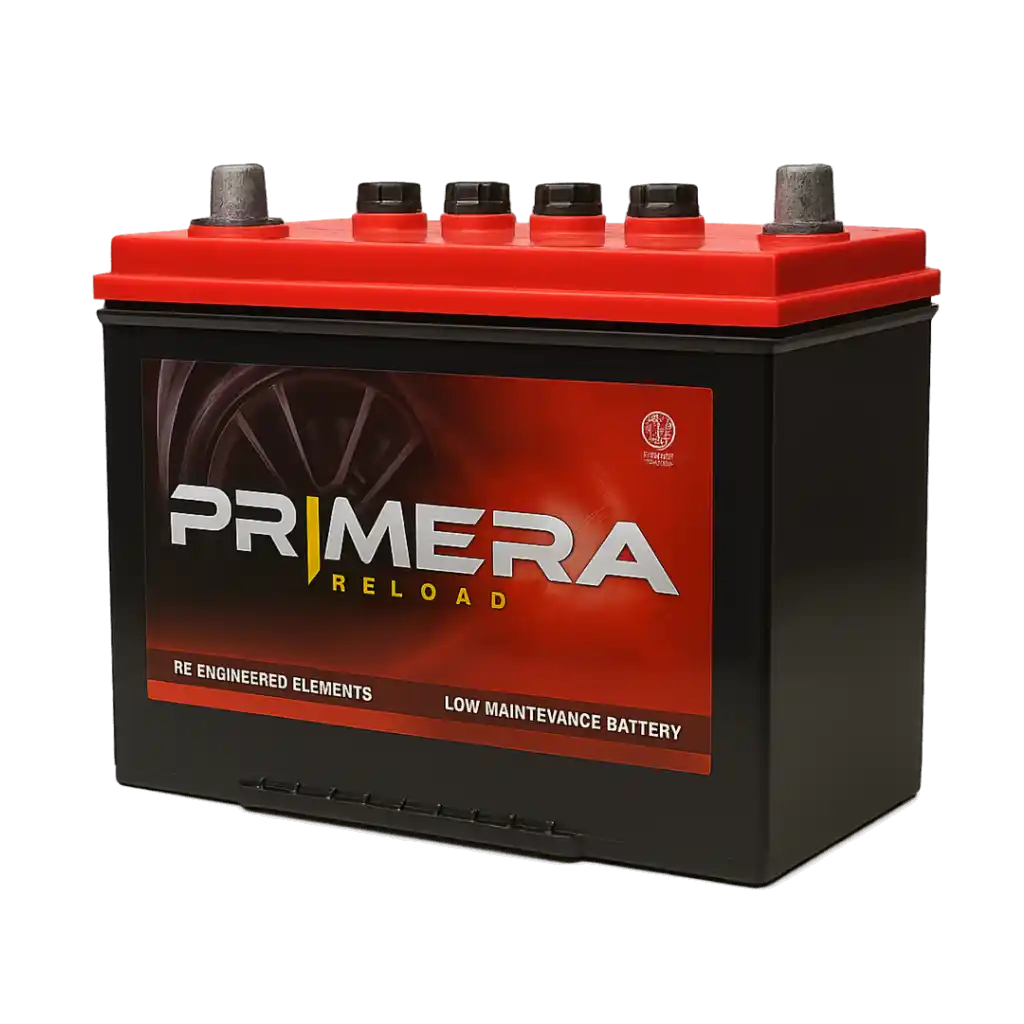
PRIMERA

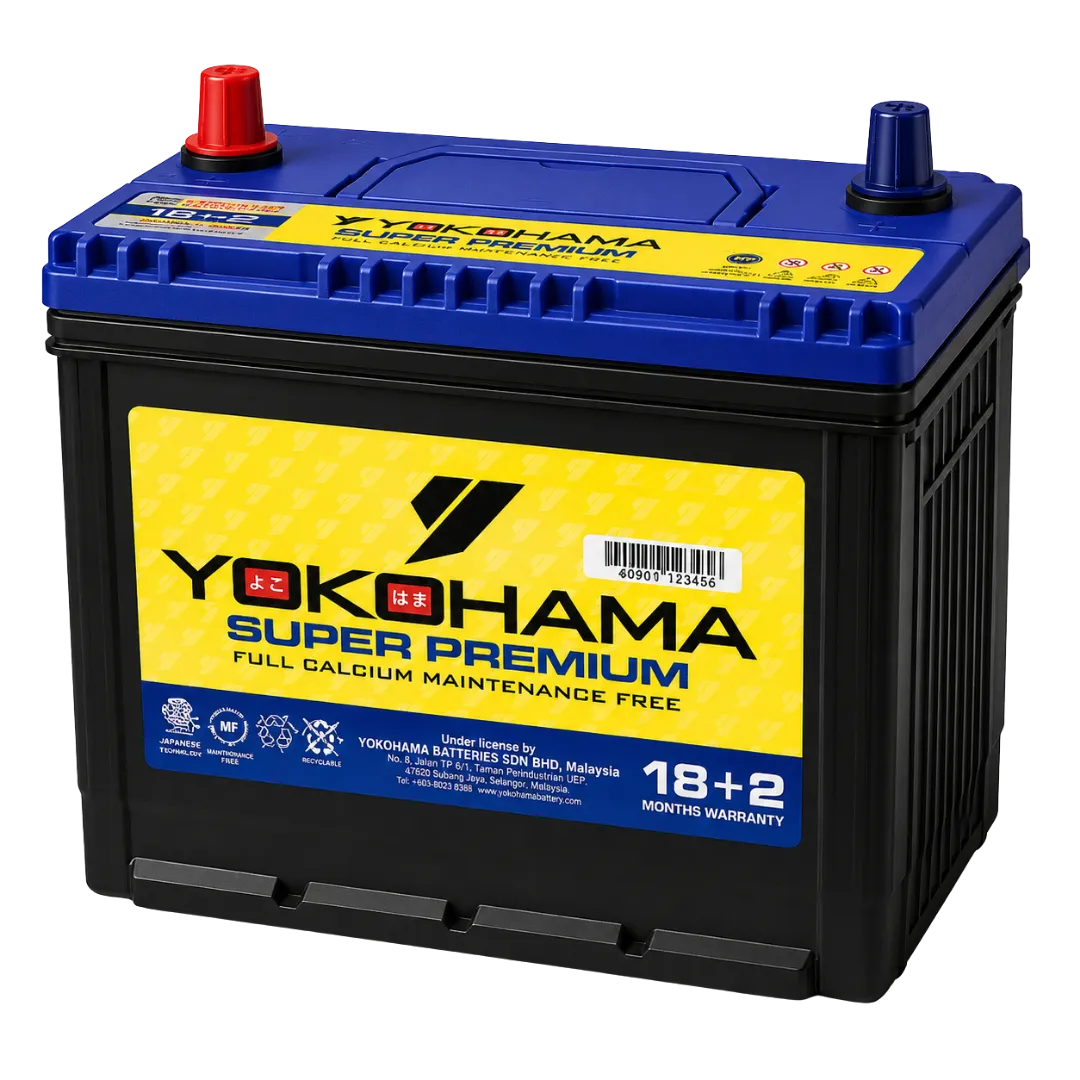
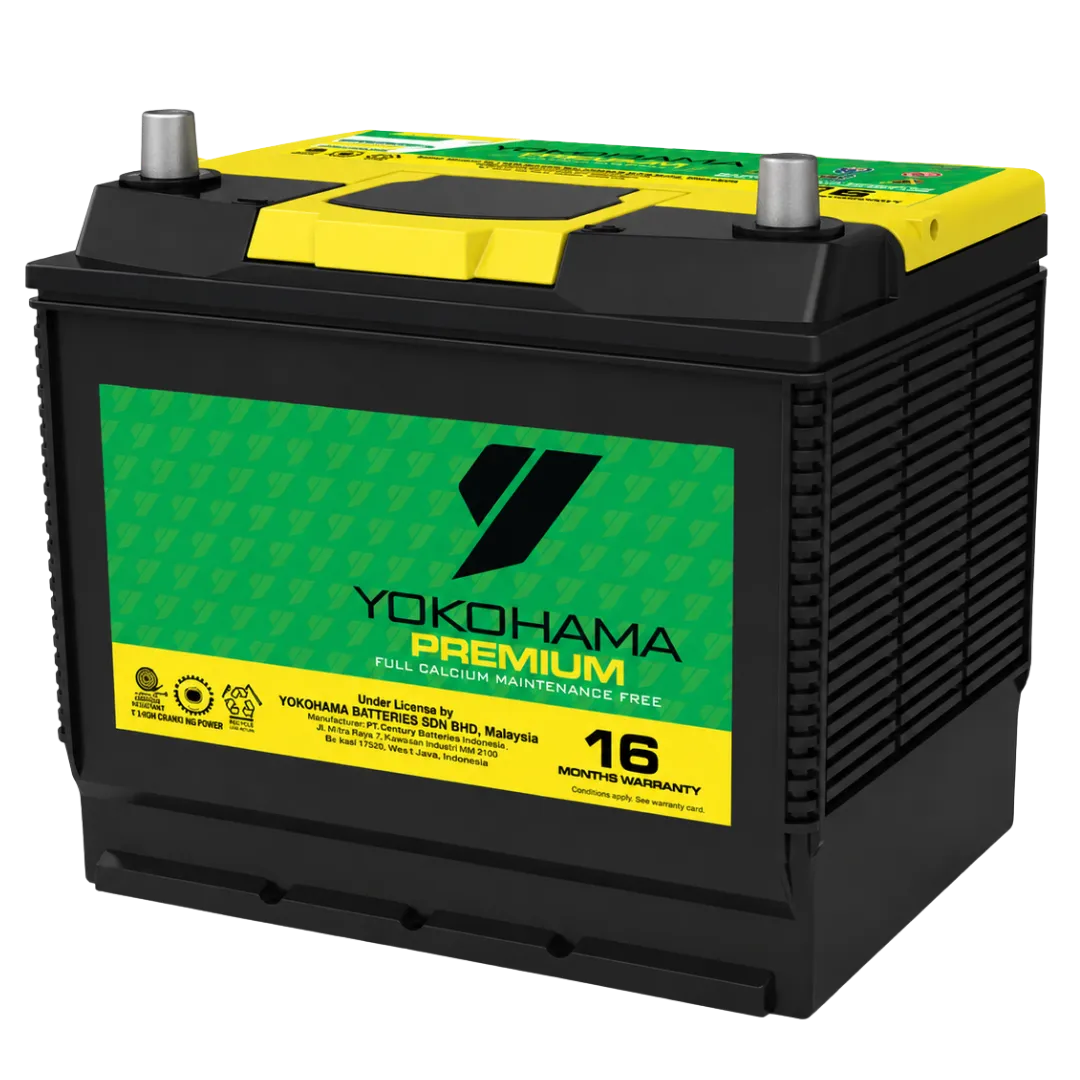
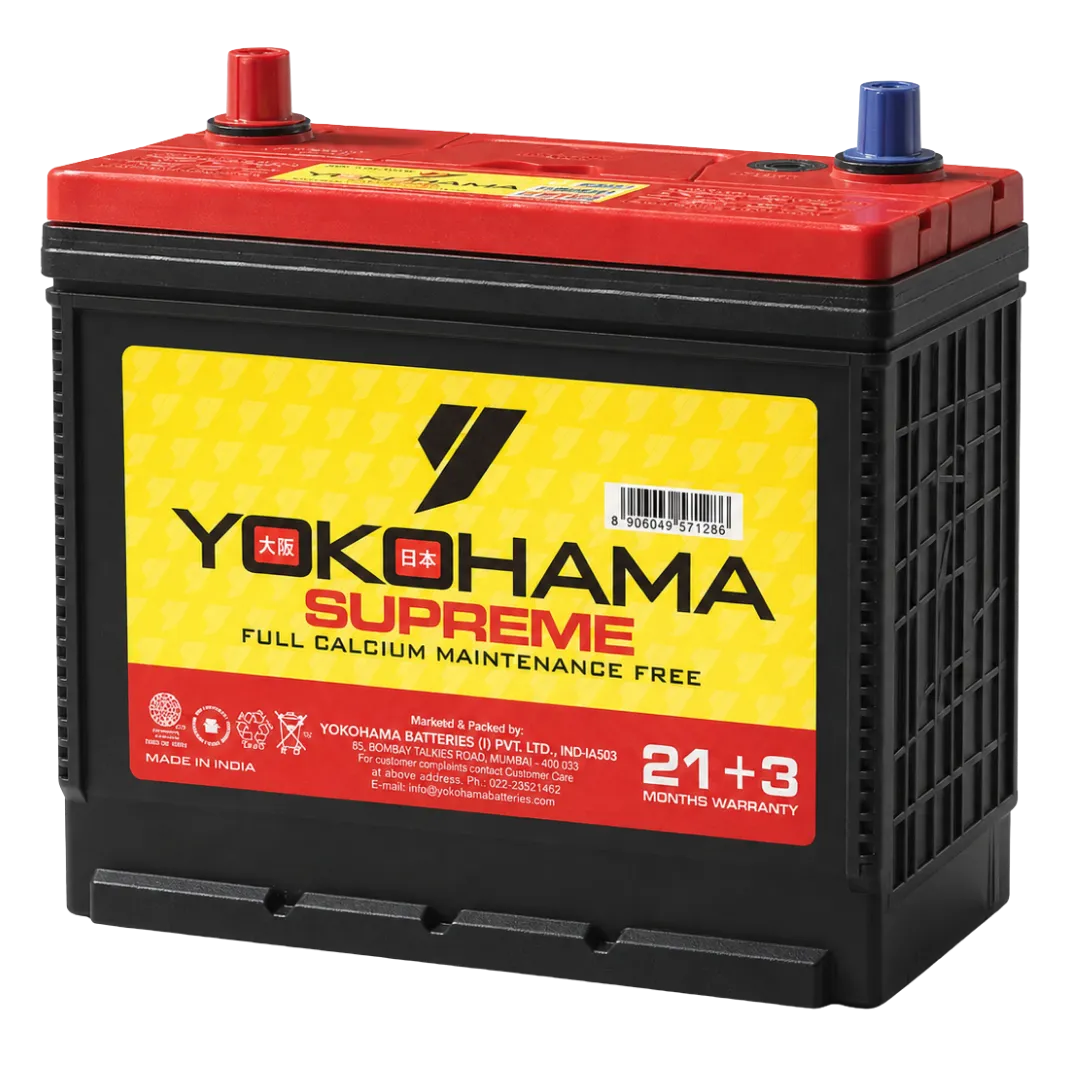
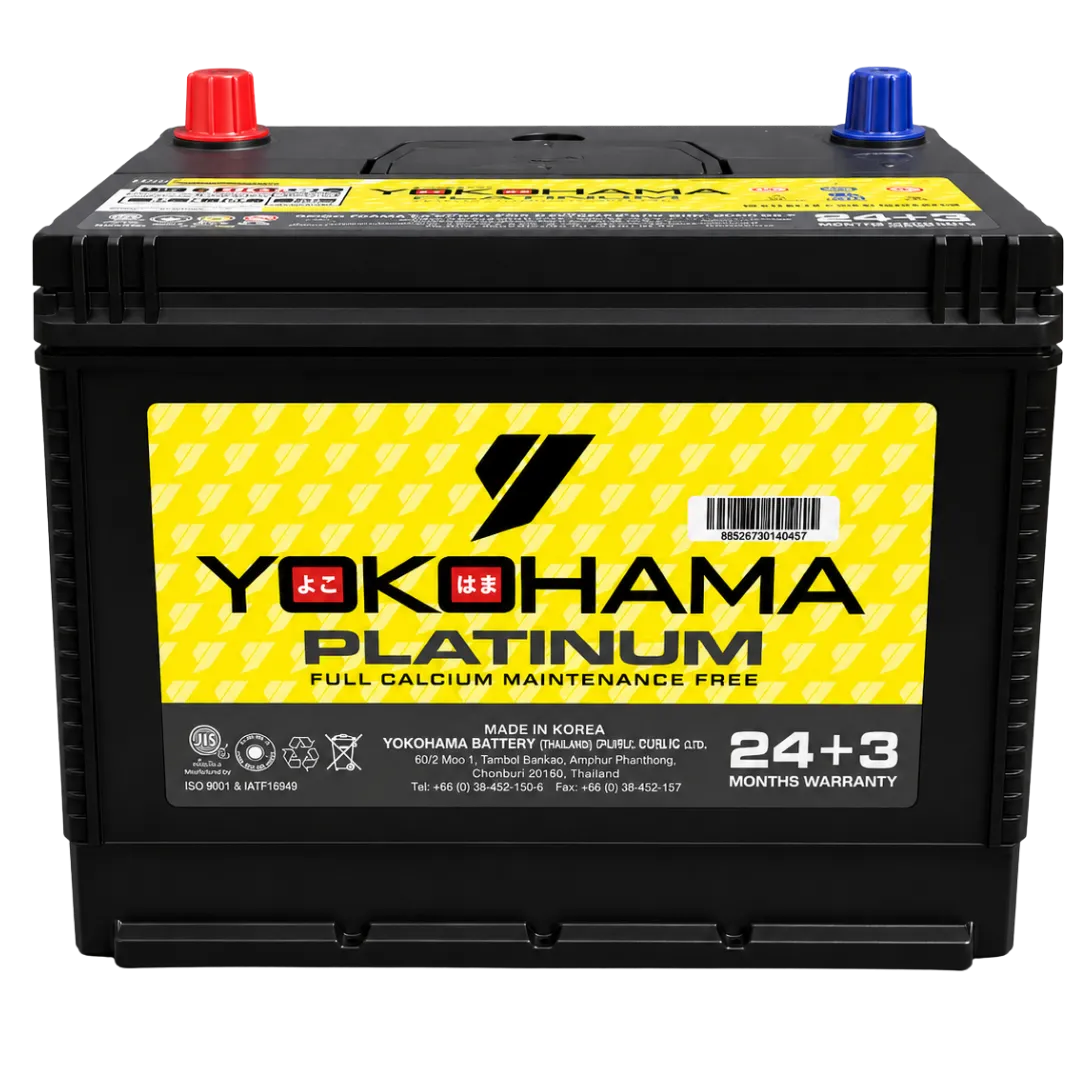
YOKOHAMA

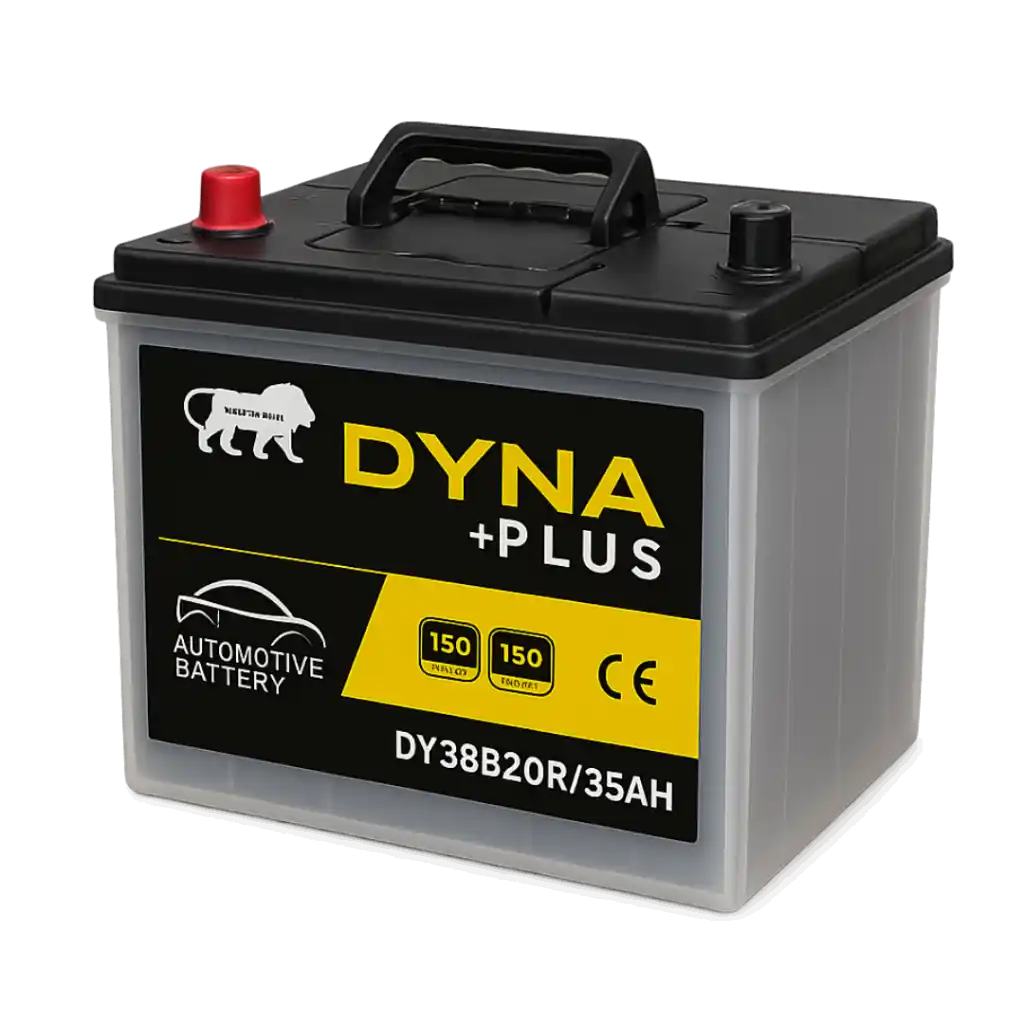
DYNAPLUS

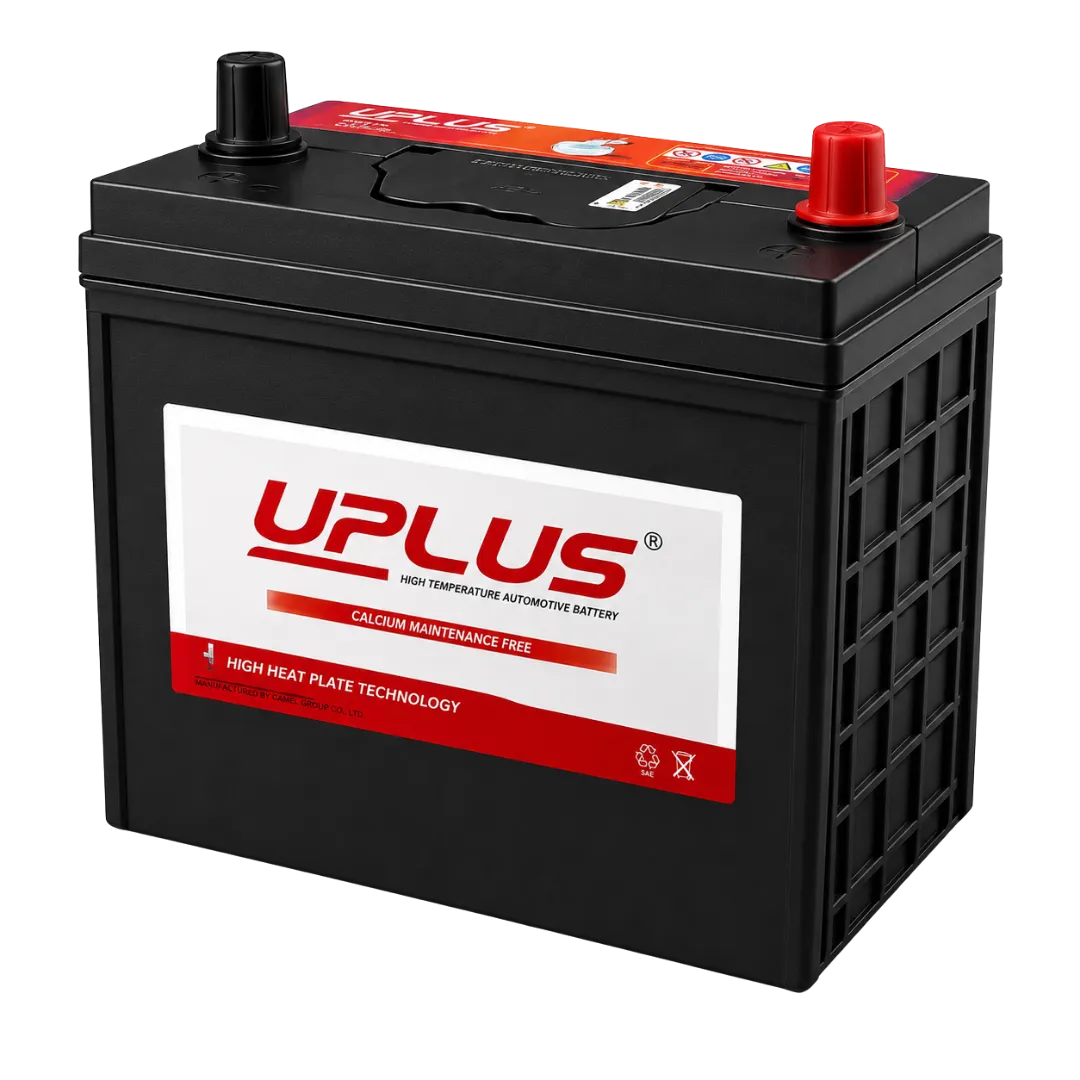
UPLUS
Do not choose by brand name alone. The battery must match the vehicle’s required dimensions, terminal orientation, technology and electrical requirements.
BATTERY MODELS
Wide range of brands and models for all types of vehicles
NEED HELP IN CHOOSING THE RIGHT BATTERY?
CALL US NOW!
CALL NOW
0917-317-3586
CALL NOW
0906-576-3945
CALL NOW
0966-990-0754
BATTERY TYPES BY BRAND MODEL
Find the Available Battery Types for Each Brand
Battery availability may vary by inventory, location, and vehicle application. The correct battery must still be confirmed using the vehicle make, model, year, engine or variant, existing battery code, and terminal orientation.
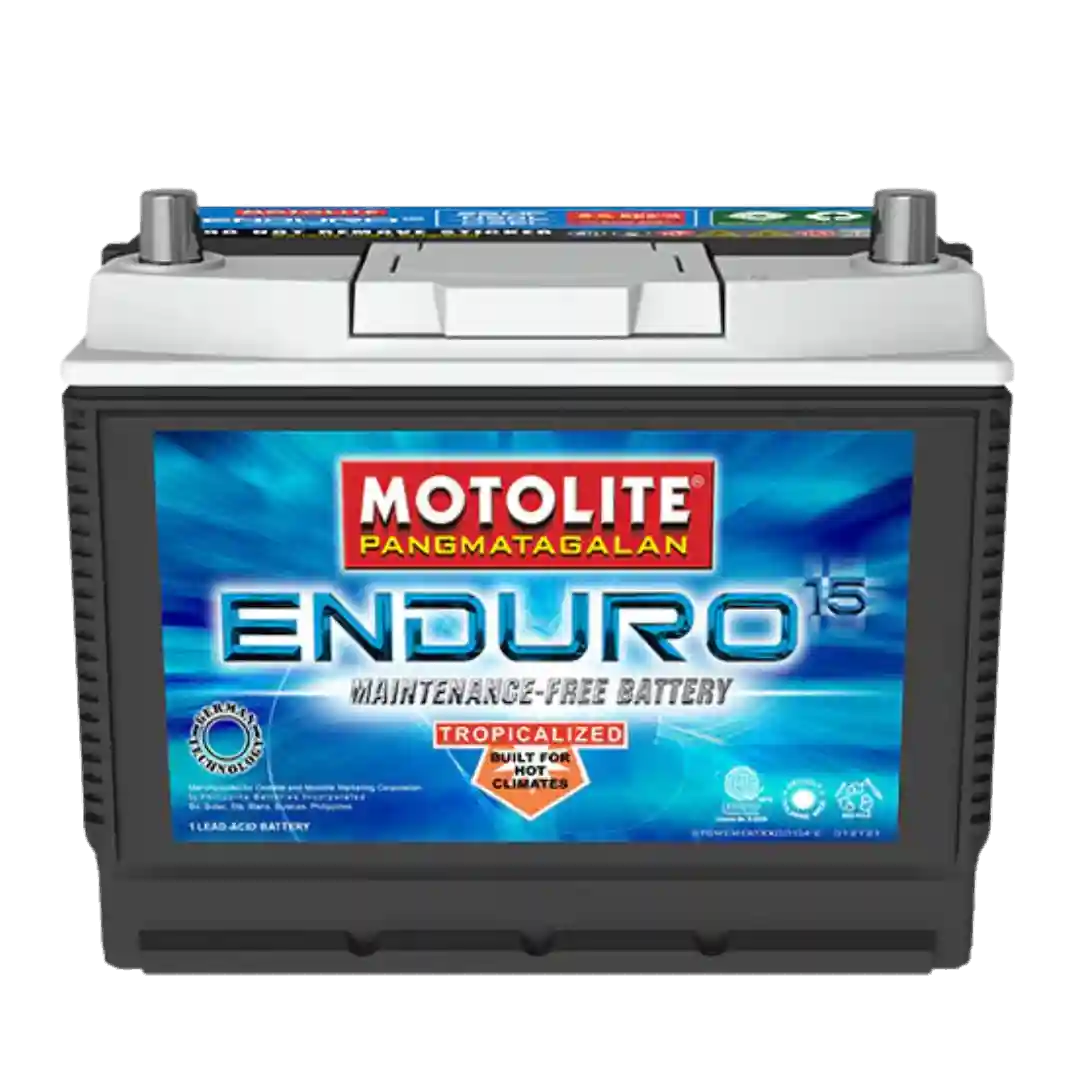
MOTOLITE ENDURO
AVAILABLE TYPES
For daily-use vehicles and selected applications.
NS40
NS60
1SMF
2SMF
3SMF
DIN 44H
DIN 55H
MOTOLITE EXCEL
AVAILABLE TYPES
For selected vehicles needing stronger Motolite battery support.
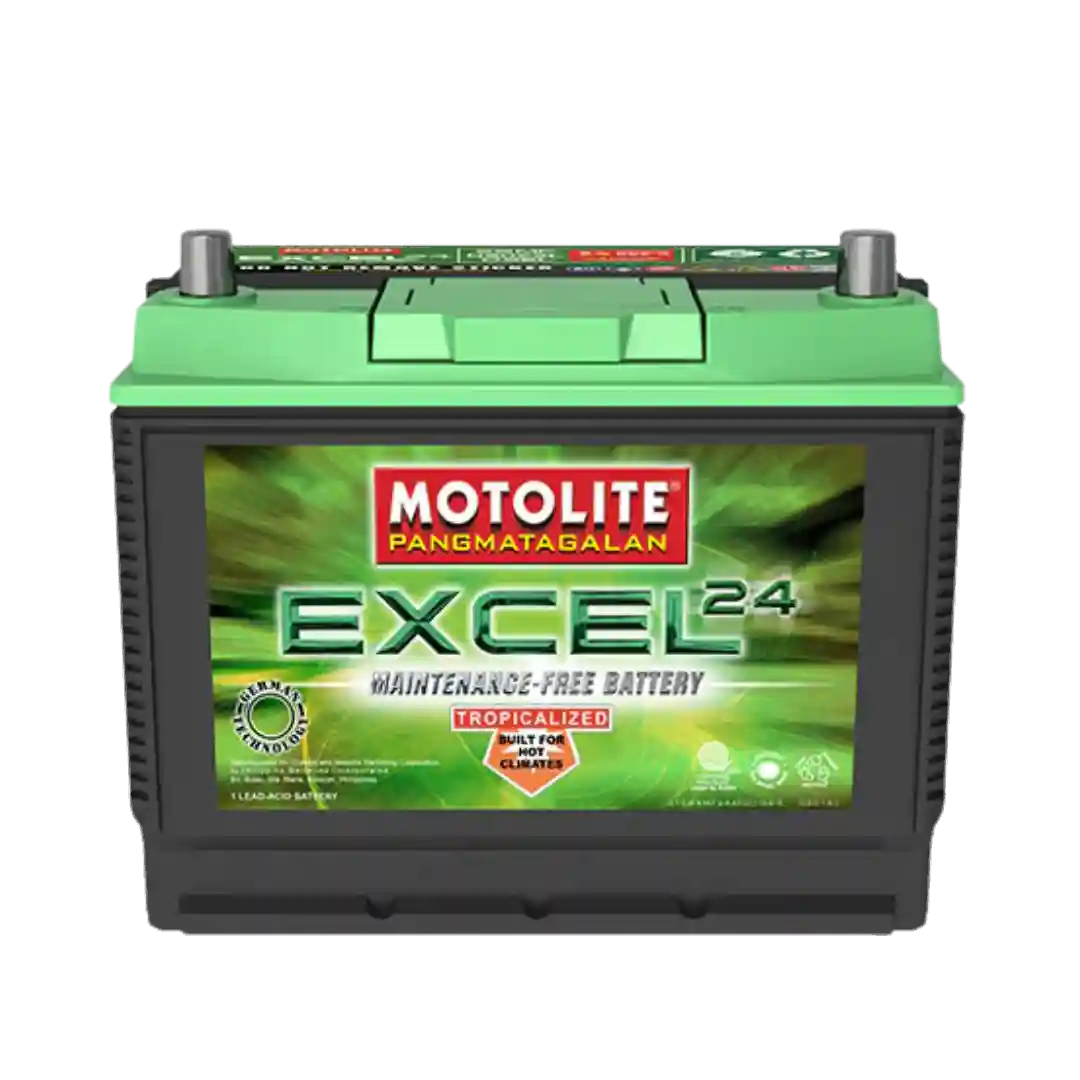
NS40
NS60
1SMF
2SMF
3SMF
DIN 66H
DIN 55H
DIN 77H
DIN 88H
MOTOLITE GOLD
AVAILABLE TYPES
Wide Motolite battery type coverage for many vehicle applications.
NS40
NS60 / R
1SMF / R
2SMF / R
3SMF / R
DIN 44H
DIN 44
DIN 55
DIN 55H
DIN 66
DIN 66H
DIN 77
DIN 77H
DIN 88
DIN 110
G34/78
G65
ULTRA BATTERY
AVAILABLE TYPES
For selected Motolite Ultra battery applications..
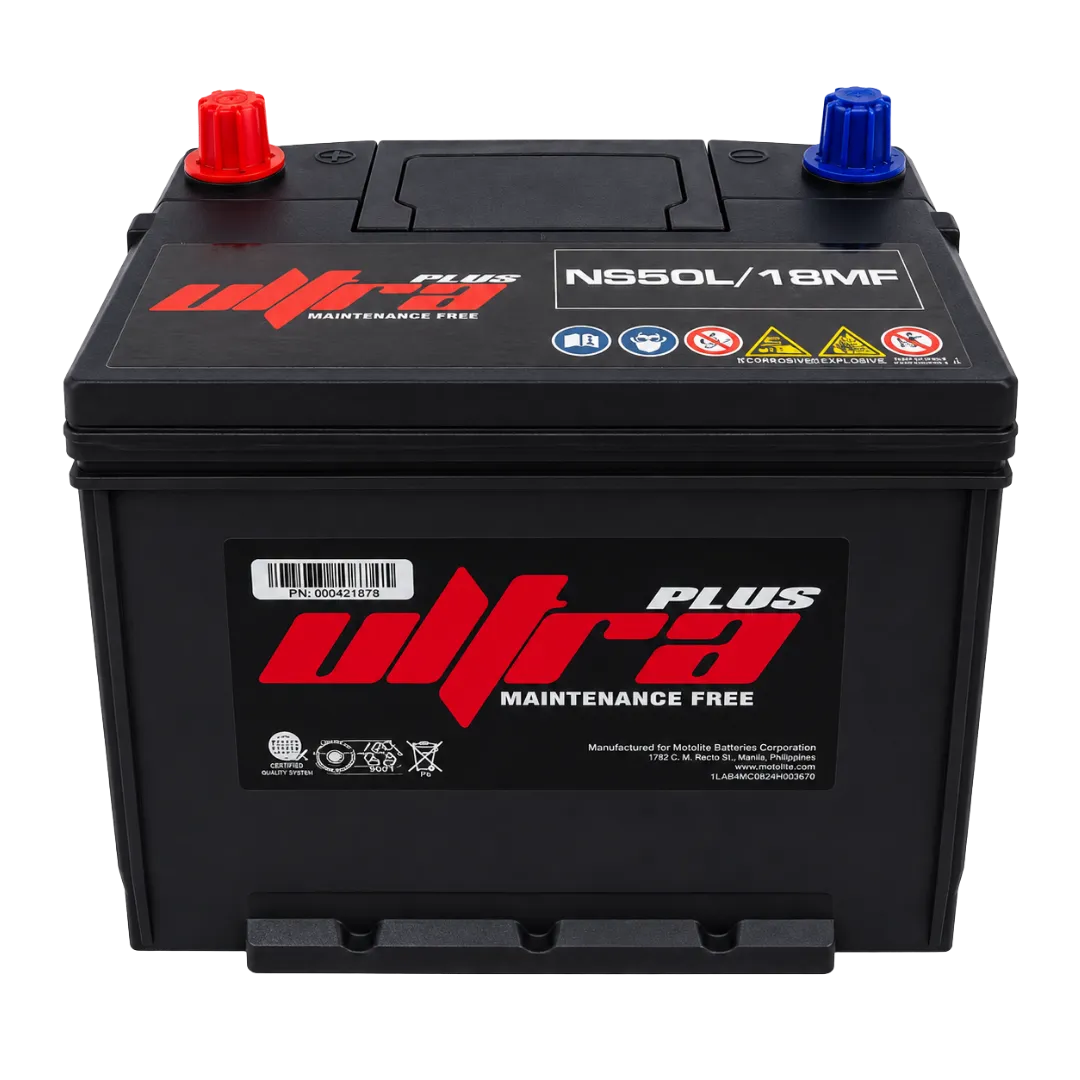
NS40
NS60
1SMF
2SMF
3SMF
DYNAPLUS
DynaPlus batteries are practical and affordable battery options for selected vehicles and basic replacement needs.
2SMF
3SMF
UPLUS
UPLUS batteries are practical automotive battery options for selected vehicles and everyday replacement needs.
NS40
NS60
1SMF
2SMF
3SMF
DIN 44
DIN 55
DIN 66
AMARON PRO
AVAILABLE TYPES
Amaron Pro is a premium Amaron option for drivers who want stronger performance and dependable battery support for selected vehicles.
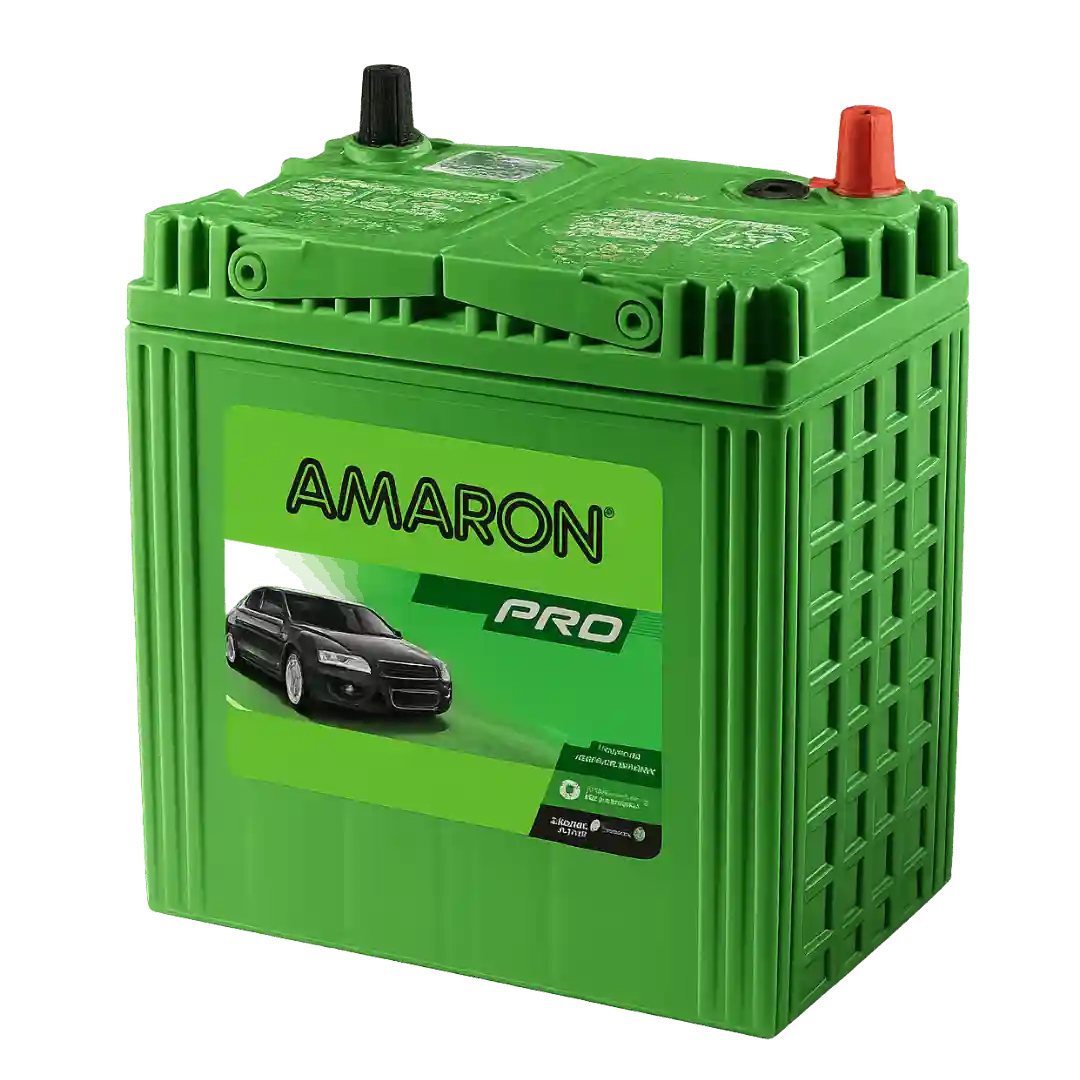
NS60
1SMF
2SMF
3SMF
DIN 60
DIN 74
DIN 80
DIN 100
AMARON FLO
Amaron Flo is a balanced option for customers who want reliable daily performance and low-maintenance convenience.
NS40
NS40 Rev
NS60
1SMF
2SMF
3SMF
3SMF Rev
AMARON GO
Amaron Go is a practical Amaron battery option for everyday replacement needs
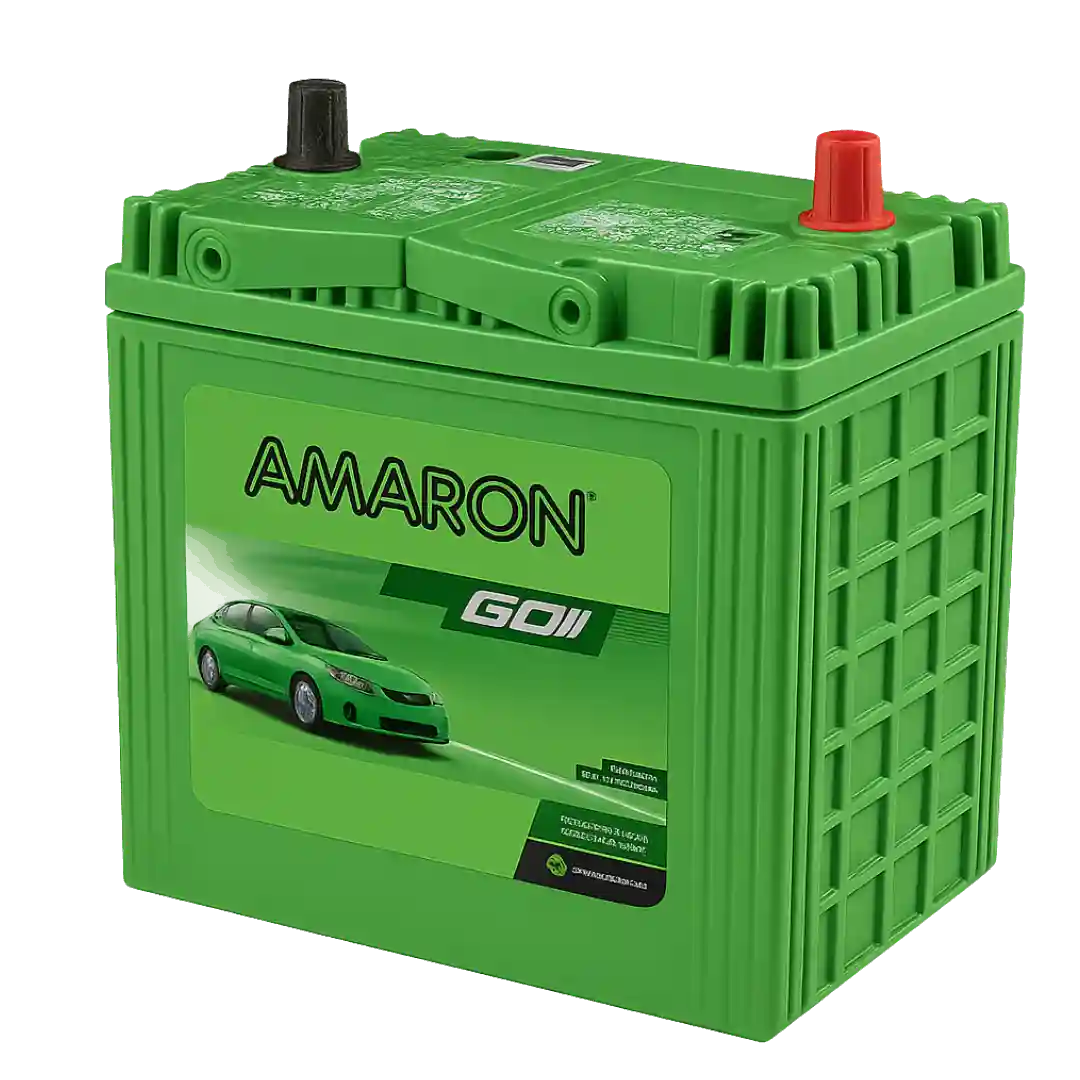
NS40
NS60
2SMF
3SMF
DIN 42
DIN 74
PRIMERA
Primera is a budget-friendly battery option for selected vehicles and basic replacement needs.
NS40
NS60
2SMF
3SMF
DIN 74
MEGAFORCE
MegaForce is a budget-friendly battery option for selected vehicles and basic replacement needs.
NS40
NS60
NS60
NS60
Din 44
NEED BATTERY DELIVERY TODAY?
Call JET Battery Trading for mobile battery delivery, replacement, emergency assistance, battery testing, and professional installation at your location.
MAJOR CREDIT CARDS ACCEPTED
Major credit cards are accepted for eligible transactions. Contact JET Battery Trading to confirm the payment methods available for your order.

Fleet Service Coverage
Battery Delivery by Size in Metro Manila and Rizal
JET Battery Trading provides mobile battery delivery and installation across selected locations in Metro Manila and Rizal. Availability depends on the required size, current stock, exact location and operational coverage.
Metro Manila coverage pages
Rizal coverage pages
Availability Check
Exact Location
required before dispatch
Delivery availability may differ depending on distance, traffic, weather, inventory location and technician availability.
Requests outside the standard coverage area are assessed individually and are not confirmed until the team checks the exact location.
Find the Correct Battery Size
Need Help Matching a Battery to Your Vehicle?
Send your vehicle details, current battery code, battery photo and exact location so JET Battery Trading can review compatible options.
Contact JET Battery Trading for Battery Assistance
ANTIPOLO BRANCH
Provincial Road, Sitio Parugan, Brgy. San Jose, Antipolo City, Rizal
PASIG BRANCH
184 Ortigas Ave, Pasig, 1609 Metro Manila
MARIKINA BRANCH
18 Sumulong Hwy, Cainta, 1900 Rizal